2D
Explainer animation about a service or process, around 60 seconds, with voice-over and subtitles.
The right choice when something complex has to be explained quickly and simply.
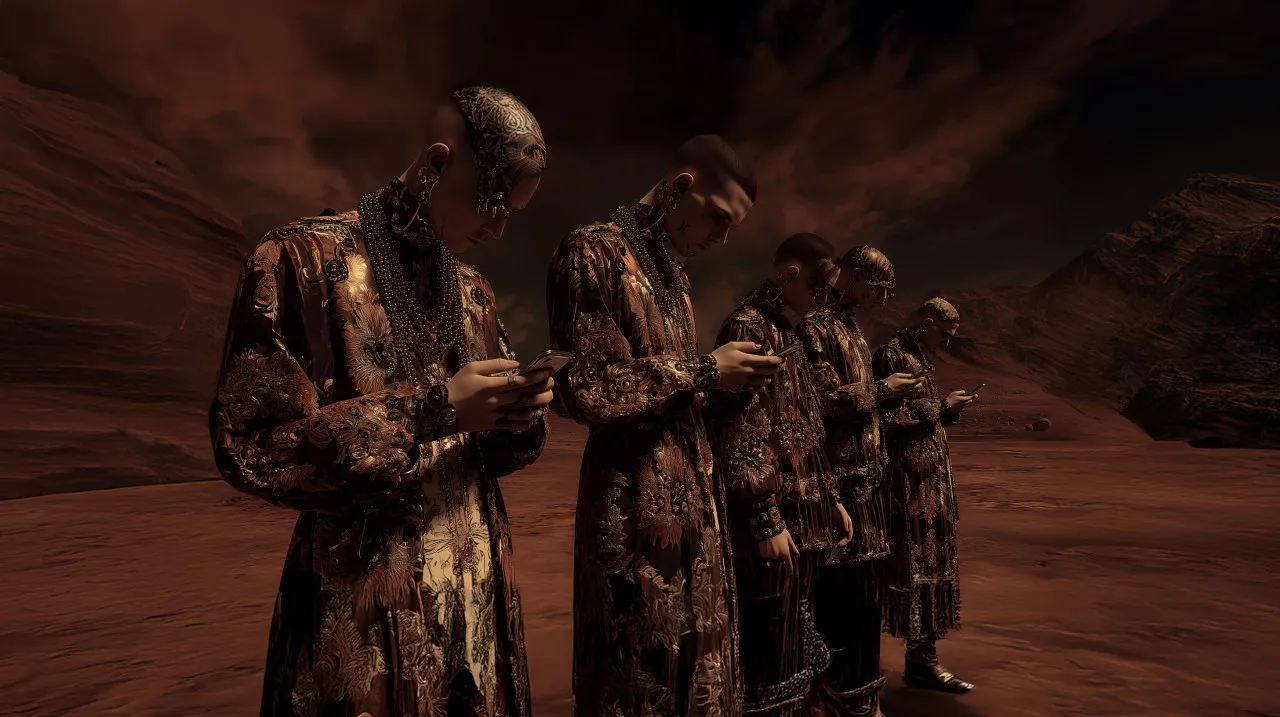
2D explainers, 3D product animation, AI scenes and VFX on live footage: wherever the camera cannot go, for online and TV.
When it beats a shoot
When the product does not exist yet, when it has to be shown from the inside, or when a process has to be explained in 30 seconds. Animation is strong where the camera has no access: the data in a medical report, the inside of a machine, the steps of a service, how a piece of software works.
The two can also be mixed: graphics, text or objects are added to the filmed footage afterwards. That way the real location and the explanatory diagram work together in one film.
From data to image
Nobody remembers a row of numbers, but everyone remembers a moving graphic. In animation, data gets character: colour, shape, motion, and the viewer sees at a glance what is growing and what is shrinking.
We create the graphic elements so that they are the same on the website, in print and in the film, in the company's brand identity. That way the animation is not a separate world but part of the communication.
The choice depends on the goal: what needs to be understood, what needs to be shown, and where the film runs.
Explainer animation about a service or process, around 60 seconds, with voice-over and subtitles.
The right choice when something complex has to be explained quickly and simply.
Product animation from every angle, with materials and lighting, even when the product is still only a design.
It also shows from the inside what the camera cannot see.
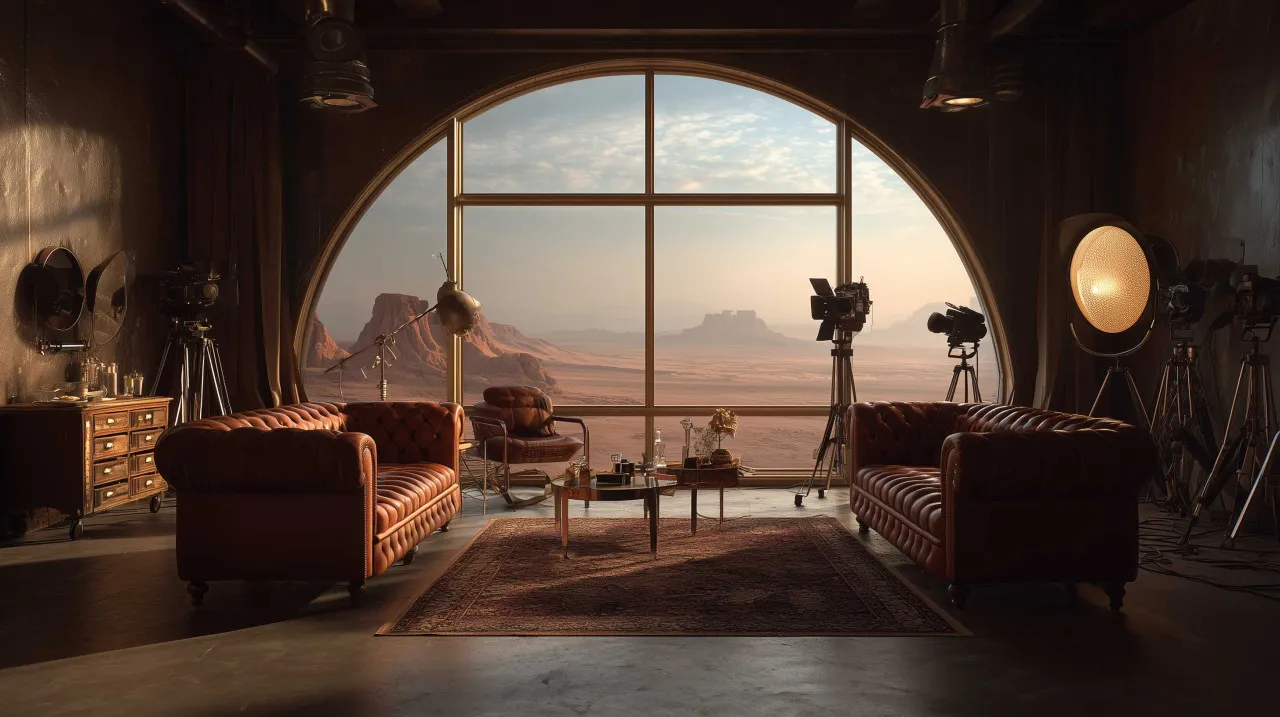
Generated locations, backgrounds and atmosphere, with editorial control and labelling.
We use it where it speeds things up and does not replace a real person or product.
Elements added to the filmed footage afterwards: screen content, extended sets, graphics in the space.
The real footage remains the base, VFX only adds what is missing.
The format follows from the goal. Length and style are set in the quote.
| Format | What it is for | Typical length |
|---|---|---|
| 2D explainer | service, process, software | 45 to 90 sec |
| 3D product animation | product from the inside, from every angle | 15 to 60 sec |
| AI-generated scene | location, background, atmosphere | per scene |
| VFX on live footage | graphics, text, objects on filmed footage | matches the film |
| Concept animation | presenting an idea before it is built | 30 to 90 sec |
From script to motion
Every animation starts with a script and a voice-over text, which you approve first. Then we create styleframes: a few finished images in the final style so you can see how it will look. This is followed by the animatic, a rough, timed version of the film with sound.
Only then do we animate in final quality. That way there are no surprises at the most expensive step, and changes happen where they are cheapest.
Online ratios and TV
For online use the animation is delivered in 16:9, 9:16, 4:5 and 1:1 ratios, with subtitles. For TV we deliver in broadcast-ready format, just like a filmed production: 1920 × 1080, XDCAM HD 422, MXF OP1a, with loudness to EBU R128.
We keep the project files, so a new language version, new data or a new cut can be produced later without redoing the whole animation.
Commercials, TV spots, brand films, employer branding videos and music videos in one place. Use the filter to browse the categories separately.
The price of an animation depends on the length, the style (2D or 3D), the number of characters and objects, and the versions. We send a quote based on the script, with fixed deadlines. The boxes below show what the two most common formats include.
 Oloren Hub
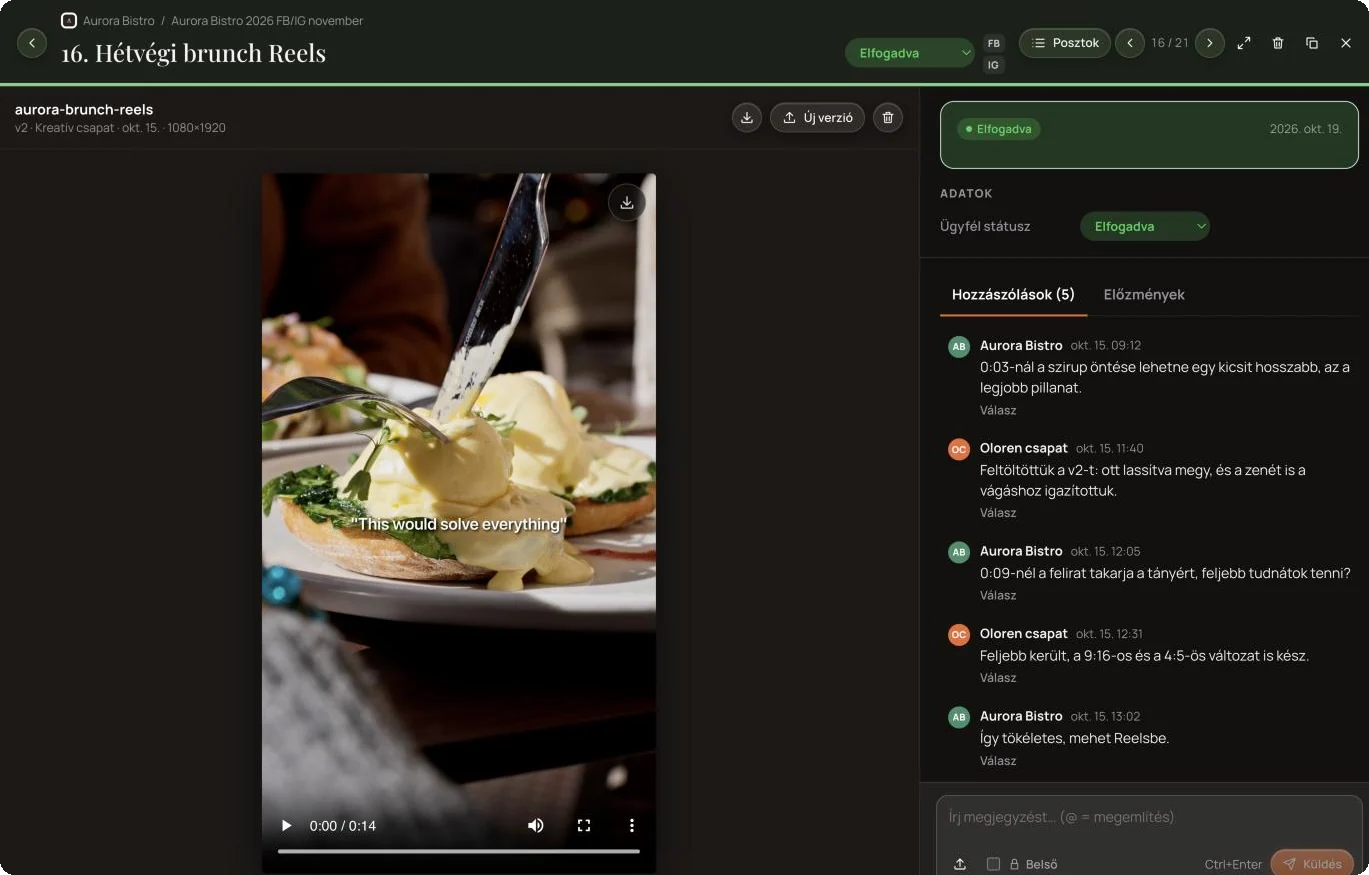
You watch the edit in Oloren Hub, right next to the post. Write down at which second you would change what, we upload the new version, and the conversation, versions and approval stay in one place until the video goes live.
Every shot is recorded to two memory cards at once, and on the day of the shoot it exists in three copies, two of them in separate buildings. Fire, water or any other damage cannot take the footage.
We work with our own equipment: Sony FX3 and A7 IV cameras, Zeiss lenses, broadcast grade sound and light. Editing and grading happen in our own studio on 10 and 12 bit monitors calibrated every year.
Tell us what needs to be shown or explained and where the film will run, and we will get back to you with a quote. Work starts once we have an agreement.
We built this software and use it every day ourselves.
 Built by Oloren
Cookie consent with Google Consent Mode v2: the banner asks for consent per service, passes the decision to Google, Meta, Microsoft, TikTok and Amazon, and logs every decision.
 Free checker
Free Google Consent Mode v2 checker: in 30 seconds it shows whether your website tells Google about your visitors’ consent.
 Free checker
Free cookie checker: in 30 seconds it shows which cookies land on a visitor’s device before they consent.
Our own project hub where clients follow and approve the work: post copy, photos and videos in one place, and approved posts go live on Facebook and Instagram from here.
Tell us how we can help and we will get back to you within one working day.
A service, reference, article, film or software